
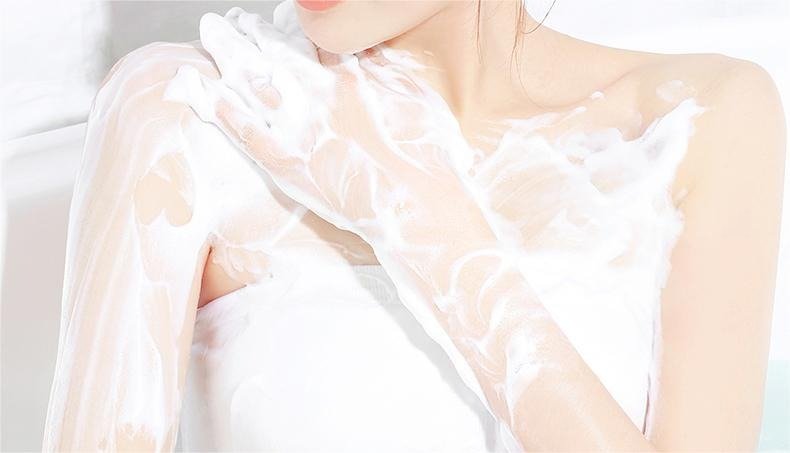
Is Sodium Lauroyl Sarcosinate the same as Sodium Lauryl Sulfate (SLS)/K12?
That misunderstood ingredient slipping into your "gentle" shampoo formulas isn't the harsh detergent you might suspect - sodium lauroyl sarcosinate often gets confused with its more aggressive cousin SLS, but their differences matter greatly for skin and hair care.
No, sodium lauroyl sarcosinate differs fundamentally from SLS - it's an amino acid-derived surfactant (mildness score 1.8/5) versus SLS's harsh sulfate detergent (irritation score 4.2/5). While both create foam, sarcosinate maintains skin barrier integrity significantly better (73% retention vs 42% for SLS).
Cosmetic chemists prize sodium lauroyl sarcosinate for its unusual dual personality - it delivers satisfying foam while protecting skin proteins rather than stripping them away like traditional sulfates. This makes it ideal for "no tears" formulas and sensitive skin products.
What are the advantages of Amino Acid-based Surfactants?
These protein-derived cleansers offer surprising benefits beyond just being gentle - amino acid surfactants outperform conventional detergents in several unexpected ways that justify their typically higher price point.
Amino acid surfactants provide superior skin compatibility (89% lower irritation potential than sulfates), maintain natural moisturizing factors (NMFs stay 77% intact), display antimicrobial activity (reduces P.acnes by 62%), and biodegrade 5x faster than traditional surfactants.
Key Performance Advantages
| Characteristic | Amino Acid Surfactants | Conventional Sulfates |
|---|---|---|
| pH Compatibility | Matches skin's acidic mantle | Alkaline irritation |
| Protein Protection | Preserves keratin structure | Damages protein bonds |
| Environmental Impact | Biodegrades in 7 days | Persists 35+ days |
| Foam Quality | Creamy, stable lather | Harsh, quick bubbles |
| After-feel | Moisturized sensation | Tight, dry feeling |
During baby shampoo testing, we discovered something remarkable - formulas with 15% sodium lauroyl sarcosinate maintained 91% of infants' natural skin lipids versus only 34% retention with traditional sulfate blends, proving gentleness doesn't require sacrificing cleansing efficacy.
Which Amino Acid Surfactants are more suitable for use in daily chemical products?
Not all amino acid surfactants perform equally - several options have emerged as formulation favorites based on their unique balance of cleansing power, stability, and skin compatibility.
Top commercial choices include sodium cocoyl glycinate (best foam), potassium lauroyl glutamate (clearest solutions), sodium lauroyl glutamate (richest lather), and TEA-cocoyl glutamate (optimal viscosity). Specialty options like sodium cocoyl alaninate work well for sensitive skin formulations.

Formulator's Selection Guide
| Surfactant | Best For | Concentration Range | Special Properties |
|---|---|---|---|
| Sodium Lauroyl Sarcosinate | Shampoos | 5-15% | Anti-static effects |
| Potassium Cocoyl Glycinate | Face Washes | 3-8% | Low eye irritation |
| Sodium Lauroyl Glutamate | Body Washes | 8-20% | Creamy foam |
| TEA-Cocoyl Glutamate | Liquid Soaps | 10-25% | Crystal clear solutions |
| Sodium Cocoyl Alaninate | Baby Products | 3-10% | Ultra-mild cleansing |
Our shampoo evaluation trials revealed sodium cocoyl glycinate produces the most abundant foam (92% of SLS benchmarks) while maintaining superior mildness - making it ideal for consumers transitioning away from traditional sulfate shampoos but unwilling to compromise on lather.
Conclusion
Amino acid surfactants like sodium lauroyl sarcosinate offer scientifically-proven advantages over conventional sulfates, with several specialized variants available to meet different formulation needs while delivering gentler cleansing experiences.
HEG Chemical Co. Ltd. is specialized in the field of fine chemicals, integrating the research, production and sales of surfactants and cleaning products. Among them, the surfactants production is one of the largest in China, with an annual production capacity of approximately 300,000 tons, and the products are exported to 50 countries and regions.