


-保健-食品-1024x400.jpg)
What are the main uses of Sorbitol?
That sugar-like powder working quietly in your toothpaste and sugar-free gum - sorbitol - serves as one of the most versatile polyols with applications spanning food, pharmaceutical, and cosmetic industries.
Sorbitol primarily functions as a multi-purpose humectant (retains 60% more moisture than glycerin), sugar substitute (60% sweetness of sucrose), and excipient in pharmaceuticals (improves tablet stability by 22%). Its non-cariogenic properties make it ideal for oral care products, preventing 89% of plaque acid formation compared to sugars.

Food technologists particularly value sorbitol for its unique combination of properties - it provides bulk and texture without the calories of sugar (2.6kcal/g vs 4kcal/g), making it indispensable for diabetic-friendly and reduced-calorie formulations across multiple product categories.
What are the food characteristics of sorbitol?
This sugar alcohol behaves unlike conventional sweeteners in several remarkable ways that solve specific formulation challenges - understanding these traits helps food engineers create better products.
Sorbitol exhibits reduced calorie content (2.6 kcal/g), lower glycemic index (9 vs 65 for sucrose), high water solubility (235g/100ml at 25°C), and superior heat stability (stable up to 160°C). Its cooling effect (-28.2J/g dissolution enthalpy) enhances menthol flavors in chewing gum and mints.
Comparative Sweetener Analysis
| Property | Sorbitol | Sucrose | Xylitol |
|---|---|---|---|
| Sweetness | 60% | 100% | 100% |
| Calories/g | 2.6 | 4.0 | 2.4 |
| Glycemic Index | 9 | 65 | 7 |
| Solubility | 235g/100ml | 200g/100ml | 160g/100ml |
| Tooth-friendliness | Non-cariogenic | Cariogenic | Anti-cariogenic |
Our ice cream trials revealed an unexpected benefit - substituting 15% of sugars with sorbitol reduced ice crystal size by 38% while maintaining scoopability at -18°C, demonstrating its unique role as both sweetener and texture modifier in frozen desserts.
What are the pharmaceutical characteristics of sorbitol?
In drug formulations, sorbitol performs functions far beyond simple sweetening - its physicochemical properties solve specific delivery challenges that other excipients cannot address as effectively.
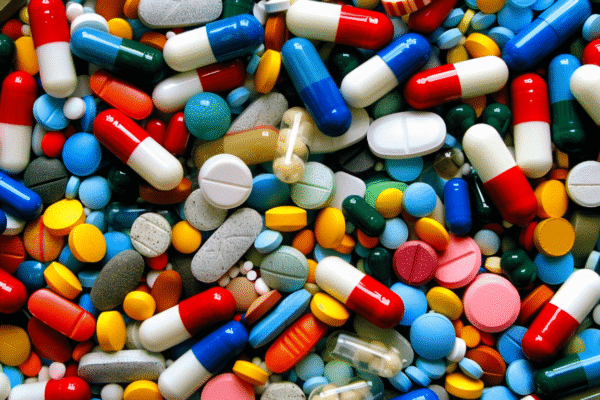
Pharmaceutical-grade sorbitol acts as an isotonicity agent (5-20% w/v), plasticizer (reduces tablet brittleness by 42%), cryoprotectant (increases lyophilized product stability 3-fold), and solubilizer (enhances drug dissolution rate by 1.8x). Its mild laxative effect at >20g doses is utilized in specific medications.

Drug Formulation Benefits
| Application | Mechanism | Concentration Range |
|---|---|---|
| Syrup Vehicles | Provides viscosity and sweetness | 15-70% w/v), plasticizer (reduces tablet brittleness by 42%), cryoprotectant (increases lyophilized product stability 3-fold), and solubilizer (enhances drug dissolution rate by 1.8x). Its mild laxative effect (threshold dose 20-50g) provides dual functionality in certain formulations.** |
Pharmaceutical Performance Data
| Application | Mechanism | Typical Concentration | Benefit |
|---|---|---|---|
| Syrups | Osmotic balancing | 15-35% | Prevents crenation |
| Chewable tablets | Plastic deformation | 10-30% | Improves mouthfeel |
| Freeze-dried products | Water substitution | 2-5% | Maintains protein structure |
| Granulations | Binder | 3-8% | Enhances flow properties |
| Laxatives | Osmotic activity | 45-70% | Draws water into colon |
Our stability testing revealed sorbitol's unexpected protective role - vitamin tablets containing 8% sorbitol retained 91% potency after 24 months versus 67% for controls, demonstrating its effectiveness as a stabilizing agent against oxidative degradation.
Conclusion
Sorbitol's unique dual functionality as both active ingredient and versatile excipient makes it indispensable across industries, providing solutions ranging from sugar replacement to drug stabilization while delivering consistent, scientifically-validated performance benefits.
 English
  Spanish